Masgonzola Cheese is a staple of the diet of humans for hundreds of years, providing food and nutrition. There are many cheeses on the market. Masgonzola cheese stands out for its rich flavor, smooth texture, and unique nutrition.
Although it is not as well known as other Italian and French cheeses, Masgonzola is gaining attention. Cheese lovers like it for its distinctive flavor, high quality, and possible health benefits.
Origin and History of Masgonzola Cheese
Masgonzola cheese may have originated in Europe. Blue-veined cheese traditions, such as Italy’s Gorgonzola, influenced it.
People often link the term “Masgonzola” to small artisanal methods and production. It focuses on traditional cheese-making techniques. In contrast to mass-produced cheeses, local dairy farms often make Masgonzola.
There, staff carefully monitor milk quality, bacterial cultures, and aging.
People created blue cheeses to protect milk and improve the flavor. Masgonzola is a blue cheese with similar origins.
It uses Penicillium roqueforti in an inoculation process. This creates distinctive blue-green veins and a strong scent. Over time, Masgonzola has become an artisanal cheese with a balanced taste. It blends creamy texture with bold, pungent flavor for many eaters.
Characteristics of Masgonzola Cheese
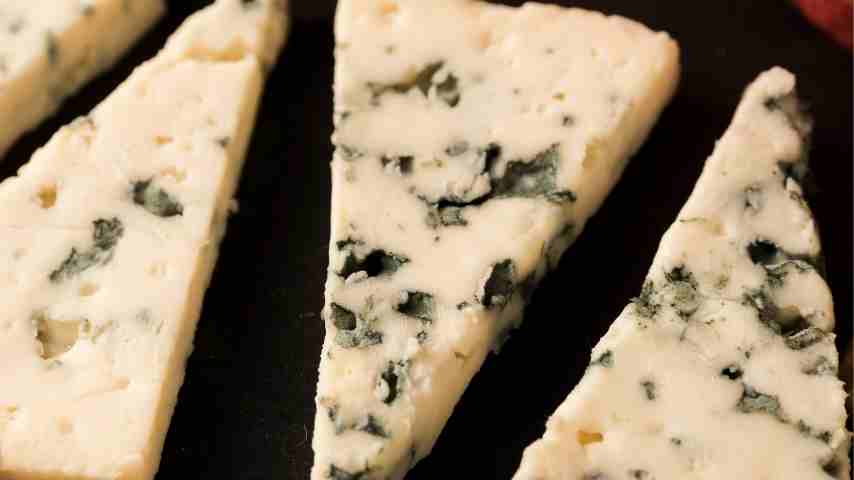
Masgonzola is usually a blue–veined cheese. It looks like Gorgonzola, but has small differences in texture and taste. The main characteristics are:
- Texture: Masgonzola is semi-soft to creamy, which makes its spread easy but sufficiently firm to slice. The texture softens as the cheese ages.
- The inside is usually pale yellow or ivory. It has green or blue veins formed as mold grows. The rind is edible in the majority of types and can range from light beige up to darker brown.
- Flavor Profile: Masgonzola has a mildly spicy, tangy flavor that has earthy tones. Younger cheeses have a milder flavor and aged Masgonzola is more intense sharp and sharp taste.
- Aroma Aroma: The scent is typical of blue cheeses. It is earthy, strong, spicy, and a bit rich. It is not too strong.
Masgonzola blends a creamy texture with spicy flavors. This makes it perfect to enjoy alone or add to dishes.
Production Process
Cheesemakers carefully control the Masgonzola cheese-making process, and they begin it with premium cow’s milk. Some variations use a blend of goat and cow milk for a distinct taste. The basic steps are:
- Milk preparation: Fresh milk can be pasteurized. In some artisanal methods, it is left uncooked to keep natural bacteria.
- Starting Cultures The lactic acid bacteria will neutralize the milk.
- coagulation: Rennet is introduced to create curds.
- Curd Cutting, and draining The curd is cut into pieces and then drained of whey.
- Innoculation by Mold Penicillium Roqueforti is added to curds or directly into the cheese during the molding process to create the distinctive blue veins.
- Salting Salt is used to preserve flavor and taste.
- Aging (Affinage): Masgonzola is aged for a time of time that can range from a few days up to a couple of months. During this period, workers puncture the cheese to allow air in and promote mold growth.
This old-fashioned method guarantees that Masgonzola retains its distinctive texture, taste and aesthetic appeal.
Varieties of Masgonzola Cheese
Although Masgonzola is usually seen as one cheese, there are many variations. They vary by texture, age, and milk source.
- Young Masgonzola aged for 2 to 4 weeks, it’s got mild taste, a smooth texture, and less noticeable veins. Perfect to spread on breads or crackers.
- aged Masgonzola: After aging for many months, it gains more flavor. It also becomes firmer and tastes stronger. This variety works ideally for cooking or pairing with wines.
- Cow Milk Masgonzola Traditional version made of cow’s milk. It is smooth and rich.
- Mix Milk Masgonzola Mixes the flavors of goat and cow milk to give an enticing flavor with some sweet notes.
Each variety has unique culinary uses. Cooks and chefs can choose based on the desired intensity and texture.
Culinary Uses of Masgonzola
Masgonzola’s rich consistency and distinct flavor makes it a versatile ingredient in the kitchen. There are many uses for it, such as:
- cheese Boards served with nuts, fruits along with honey. gives an equilibrium of tart and sweet tastes.
- Salads A smear of crumbs over leafy greens, with pears, walnuts or apples for a delicious flavor.
- Pasta or risotto: Melt it into smooth sauces to add an extra dimension and subtle zing.
- Pizzas and flatbreads is a novel alternative to mozzarella.
- Desserts: Sometimes, chefs serve them with figs or dark chocolate to create a sweet-savory contrast.
- Vine Pairing: Masgonzola pairs well with full-bodied red wines sweetness-focused dessert wine or sparkling whites, based upon its vintage.
Its versatility permits both the use of subtle recipes as well as the spotlight as a stand-alone flavor.
Nutritional Profile of Masgonzola Cheese
Masgonzola is not just tasty but also **highly nutrient-rich**, offering nutrients like fats, protein, vitamins and minerals. This is a thorough evaluation of its nutritional profile for 100g:
- Calories About 350-400 kcal dependent on the fat content and age.
- Protein: 20–25 grams. This makes it a high-quality animal protein source. It supports muscle growth and repair.
- Fat 28-32 grams mostly saturated fat that adds flavor and texture.
- Carbohydrates 1 – 2 grams, which makes it low in carbs.
- Calcium Between 500 and 600 mg, which supports bone health and overall dental health.
- Phosphorus 400 mg, which is essential for the metabolism of energy and skeletal health.
- Vitamin A occurs at moderate levels and supports eye health and the immune system.
- Sodium is 800–1000 mg, which is fairly high due to the salting process. Moderate use is recommended for people monitoring blood pressure.
Health Considerations:
- Foods with Protein and Fat – High-quality protein and fat make Masgonzola an energy-rich food for active people. Portion control is essential because it is high in calories.
- Calcium and Minerals supports bone health, particularly for those who are susceptible to osteoporosis.
- Probiotics: Artisanal Masgonzola may contain beneficial bacteria, aiding gut health.
- Sodium individuals who adhere to diets that are low in sodium must consume it in moderate amounts.
Storage and Handling
Properly storing Masgonzola is essential for preserving its flavor and texture
- Temperature Storage: Keep in the refrigerator between 2 and 6 degrees Celsius (36-43degF).
- Wrapping Wrapping with parchment or wax paper, followed by aluminum foil to let air flow and prevent drying. Avoid airtight packaging to store long-term items.
- Shelf life generally a period of 2 weeks in the fridge however older versions may last longer. Be sure to look for any signs of any other types of mold, aside from the blue-green veins that naturally occur.
Conclusion
Masgonzola cheese is the ideal combination of flavor, tradition and nutrition. Its smooth texture, blue-veined look, and tangy taste make it ideal for many cooking uses.
Beyond the taste, it offers a strong nutrition profile. It includes quality protein, essential minerals, and vitamins. This makes it a great supplement to a healthy diet. While you should enjoy it in moderation because of its sodium and fat, Masgonzola is still a delightful dessert.
Cheese lovers will enjoy its artistic flair and the science of traditional European cheesemaking.
You can spread Masgonzola on bread, sprinkle it on salads, or blend it into a rich sauce. It shows the rich tradition and nutty flavor of the highest-quality cheeses.
About the Author