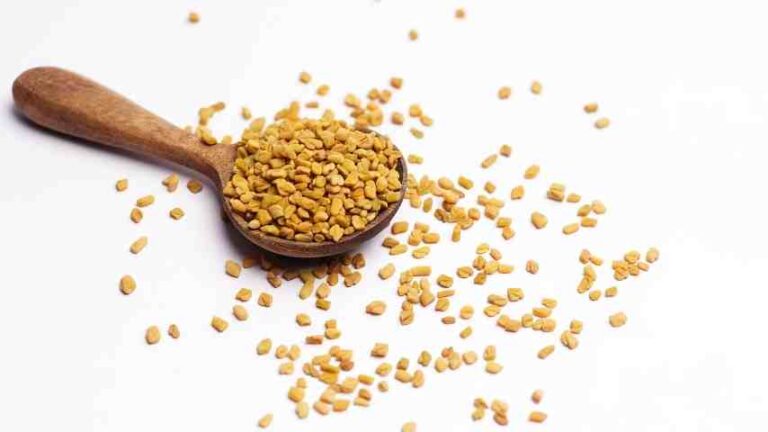
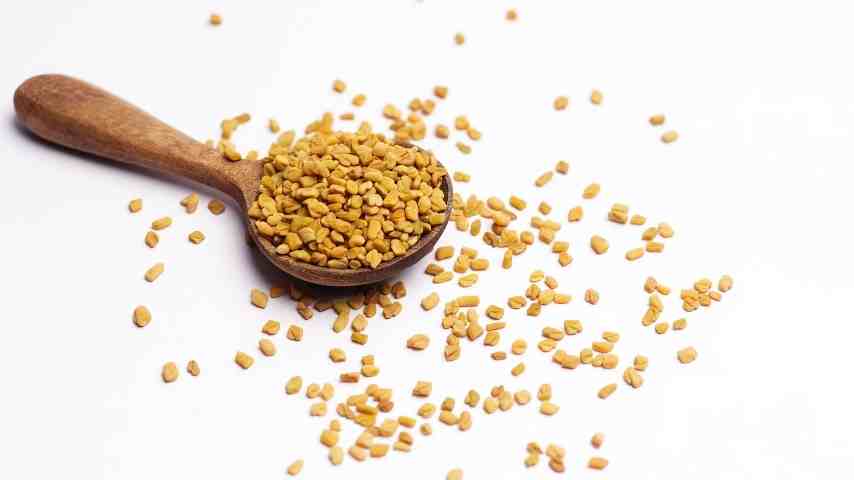
Foenegriek is a strong herb has a long history in cooking and traditional medicine. It comes from the herb Trigonella foenum-graecum. Fenugreek seeds and leaves are rich in nutrients. They also contain bioactive compounds that support overall well-being.
For centuries, fenugreek has been a staple in Ayurveda, Middle Eastern remedies, and Mediterranean foods. It is becoming more popular due to its scientifically proven health benefits. This guide will focus on the numerous advantages of fenugreek, and ways to improve your overall health.
What Is Foenegriek?
Foenegriek, also known as fenugreek (Trigonella foenum-graecum), is a herb commonly used in cooking and traditional medicine. People value its seeds and leaves for their slightly bitter, nutty flavor and numerous health benefits.
Native to parts of Asia and the Mediterranean, foenegriek is rich in fiber, vitamins, and plant compounds.
These nutrients support digestion, blood sugar control, and overall wellness. People often use the seeds as a spice, while they add the leaves to dishes like curries. People also consume it as tea or supplements for its health benefits. This makes it a versatile natural ingredient.
Nutritional Power Behind Foenegriek
The health benefits of Fenugreek are derived from its remarkable nutritional profile. These seeds are high in protein, fiber and vital minerals like magnesium and iron.
One key part of fenugreek is insoluble fiber, especially galactomannan. It slows digestion and helps control blood sugar levels. Additionally, it contains plant compounds like diosgenin, trigonelline, and saponins. These compounds may support the therapeutic effects of fenugreek.
Nutritional Profile of Foenegriek
Fenugreek seeds are packed with essential nutrients and bioactive compounds that contribute to their health benefits.
Key Nutrients fenugreek extract (per 100 grams of seeds)
- Calories: ~323 kcal
- Protein: 23 g
- Carbohydrates: 58 g
- Fiber: 25 g
- Fat: 6 g
- Iron: 33 mg
- Magnesium: 191 mg
- Manganese: 1.2 mg
- Vitamin B6: 0.6 mg
Active Compounds
Fenugreek contains several important phytochemicals, including:
- Saponins – help lower cholesterol
- Alkaloids (trigonelline) – support blood sugar regulation
- Diosgenin – a plant compound linked to hormone balance
- Galactomannan – a soluble fiber that aids digestion
13 Health Benefits of Foenegriek
1. Helps Regulate Blood Sugar Levels
One widely known benefit of Foenegriek is its ability to help control healthy blood sugar levels. This is why it is highly helpful for people with type 2 diabetes. It also helps those at risk of developing it.
How It Works
Fenugreek slows down the absorption of carbohydrates within the digestive tract because of its fiber-rich content. This prevents abrupt rises in blood sugar levels following meals.
Key Benefits
- Enhances the sensitivity of insulin
- Reduces fasting blood sugar levels
- Helps to manage spikes in glucose after meals.
A regular intake of fenugreek can help control blood sugar levels.
fenugreek seed powder: Soaked seeds or fenugreek powder may work especially well. This is most effective when paired with a balanced diet.
2. Supports Digestive Health
Foenegriek is a popular choice to aid digestion naturally. The fiber and soothing qualities aid in helping to maintain the health of your digestive system.
Benefits for Digestion
- Helps relieve constipation by increasing the volume of stool
- Eliminates indigestion and bloating.
- Reduces the inflammation of the stomach The stomach lining
Fenugreek seeds can also be used as a mild bowel cleanser and could help in cleansing the digestion naturally.
3. Promotes Heart Health
Foenegriek helps improve cardiovascular health by increasing cholesterol levels as well as supporting overall heart health.
How It Helps
The saponins found in fenugreek can lower cholesterol’s absorption in the intestines. Additionally, the fiber in it helps to eliminate extra fats from the body.
Heart-Related Benefits
- It lowers LDL (bad cholesterol)
- Reduces triglycerides
- Can help control blood pressure
Incorporating fenugreek into your diet can reduce the risk of developing heart disease in the long run.
4. Aids in Weight Management
Foenegriek can be an effective addition to weight loss and weight control plans. It may help suppress appetite.
Why It Works
Foenegriek soluble fiber expands inside the stomach, causing feelings of fullness as well as lessening hunger cravings.
Benefits for Weight Control
- Reduces appetite
- Helps prevent eating too much
- Helps maintain a an active metabolism
Drinking fenugreek early in the day is a common method of reducing food cravings throughout the entire day.
5. Enhances Lactation in Breastfeeding Mothers
Fenugreek is well-known as an organic galactagogue that means it assists to increase the amount of breast milk produced.
How It Helps
Fenugreek is a plant that can increase sweat production. And since mammary glands have changed sweat glands this may boost the flow of milk.
Benefits for Nursing Mothers
- The increase in milk supply
- Improves consistency of milk
- Supports infant nutrition
It is usually consumed as tea or as a supplement, but it is best to take it with medical advice.
6. Supports Hormonal Balance
Fenugreek has compounds such as diosgenin which can influence the regulation of hormones within the body.
Benefits for Women
- Aids in managing symptoms of PMS
- May reduce menstrual discomfort
- Menopausal hormone balance is maintained
Benefits for Men
Fenugreek is also being studied for its potential to help support testosterone levels.
- May improve libido
- Strengthens muscles and supports them
- Improves physical performance
7. Reduces Inflammation
Chronic inflammation is a leading cause of many illnesses, including metabolic and arthritis. Fenugreek has anti-inflammatory properties that are natural which can help fight this.
Anti-Inflammatory Effects
- Reduces pain and swelling
- Aids in joint health
- It aids in recovery following exercise
Fenugreek has many benefits. It is a good choice for people with inflammatory conditions or active lives.
8. Improves Skin Health
Fenugreek is a popular ingredient in natural skin care due to its antibacterial and anti-inflammatory properties.
Skin Benefits
- It helps treat pimples and acne.
- Reduces irritation and redness.
- Gives you an organic glow
The paste of fenugreek made from seeds that have been soaked can be applied directly on the skin to provide an effective natural treatment.
9. Promotes Healthy Hair Growth
Foenegriek is widely used in hair care because of its healing and strengthening properties.
Hair Benefits
- Hair roots are strengthened
- Reduces dandruff
- Prevents hair loss
- It adds shine and softness.
Its protein-rich and the high nicotinic acids content aid in improving the structure of hair and scalp health.
10. Supports Liver Function
Fenugreek can help defend the liver from the damage caused by toxins and a poor diet.
Benefits for Liver Health
- Supports detoxification
- Reduces the accumulation of fat in the liver.
- Improves overall function of the liver
This is why it benefits people with liver problems or people exposed to environmental toxic substances.
11. Boosts Immune System
Fenugreek has antioxidants that build the immune system and shield the body from infection.
Immune Benefits
- Combats free radicals
- Reduces oxidative stress
- Helps to boost the overall immune system
Regular use could aid the body in responding better to illness and help maintain long-term health.
12. Helps Relieve Menstrual Discomfort
Fenugreek was traditionally used to alleviate menstrual pain and discomfort.
Benefits During Menstruation
- Reduces cramps
- Reduces fatigue
- Enhances mood
Its anti-inflammatory effects and hormone-balancing properties help to have a more comfortable menstrual cycle.
13. May Improve Athletic Performance
Studies have suggested that fenugreek could improve physical performance, especially for fitness enthusiasts and athletes.
Performance Benefits
- Strengthens
- Improves endurance
- Helps to improve the recovery of muscles
This could be because of its possible influence on testosterone levels and energy metabolism.
How to Integrate Fenugreek into your routine
To benefit from these advantages the fenugreek plant can be consumed in many ways:
- Seeds that have been soaked: Drink the water and chew the seeds early in the morning.
- powder: Blend with smoothies or warm drinks, or meals
- Tea Infuse seeds into water to make a relaxing herbal drink
- leaves: Fresh or dried leaves can be used for cooking
- Add-ons Extracts, capsules and capsules (consult an expert)
Precautions and Considerations
Although fenugreek provides many benefits but it should only be taken in moderation.
Possible Side Effects
- Digestive discomfort
- Mild diarrhea
- Maple-like body odor
Who Should Be Careful
- Women who are pregnant (avoid excessive doses)
- People on diabetes medication
- People who suffer from legume allergies
Always consult a doctor prior to beginning any new supplementation regimen.
Conclusion
Fenugreek (foenegriek) is an incredibly adaptable herb that can provide many health benefits. From controlling blood sugar levels and aiding in heart health to improving digestion, skin and hair. It can serve as a potent natural remedy for a variety of health issues.
Its rich nutrients and active ingredients make it highly beneficial in modern diets focused on health and prevention. You can use it for cooking, in tea, or as a fenugreek supplements. You can add it to your routine as a simple, powerful addition.
If you use fenugreek thoughtfully and regularly, you can unlock its full potential. You can also take an important step toward better overall health.
About the Author