The idea of Yin and Yang is one of the deepest and most lasting principles in Eastern philosophy.
This is not a strict rulebook or a binary classification.
It is an evolving, holistic approach.
It helps us understand the nature of being, the universe, and the human body. It is at the heart of Yin and Yang. It explains how opposite forces can be connected.
These forces can also be complementary and interdependent. They contribute to one another as they interact in the world.
Since ancient times, this philosophy has shaped Chinese culture. It has influenced cosmology and government.
It has also influenced martial arts and interior design, like Feng Shui. It has influenced food and even medicine.
To fully understand Yin and Yang is to grasp life’s rhythm. It is the steady change from day to day.
It is also the change of seasons. It includes the constant shift between harmony and discord in our bodies.
1. The Origin of Yin and Yang
Ancient China developed the earliest roots of Yin and Yang long before anyone wrote them down.
Etymology and Early Observations
The literal characters for Yin (Yin) and Yang (Yang) come from early Chinese farmers’ observations of the natural landscape.
- People originally used “yin” to refer to the shaded side of a hill or mountain. People associate it with darkness, cold, moisture in the air, relaxation, and passivity.
- Yang initially referred to the sun-facing side of an hill. People associate it with warmth, light, dryness, activity, and movement.
While early thinkers and peasants watched the sun move across the sky, they noticed one key fact.
A shaded slope would soon become sunny.
The sunny side would soon fade into shadow. This simple observation led to awareness that the concept of duality isn’t permanent; it’s an ongoing fluid cycle.
Textual Roots: The I Ching and Beyond
The first clear record of Yin and Yang ideas appears in the I Ching, or Book of Changes. It dates to the second millennium BCE.
Many people believe that the I Ching uses fractured lines for Yin and unbroken lines for Yang. These lines form eight trigrams and sixty-four hexagrams. Together, they capture every possible state of cosmic change.
During the Zhou Dynasty (1046–256 BCE), Yin-Yang philosophy became a formal school.
It was called the Yin–Yang School (Yinyangjia).
The philosopher Zou Yan led it. Zou Yan combined Yin-Yang theory with his Wuxing (Five Elements) theory.
This created a broad cosmological framework that explained the natural order.
It also described the rise and fall of political dynasties.
It explained how the human body works too.
2. Core Meaning and Philosophical Principles
To understand “yin to the yang,” you must move past a Western habit.
That habit treats opposites as enemies or as mutually exclusive.
For example, it draws a strict line between absolute good and absolute bad. According to Chinese theology, Yin and Yang are in a sense relative. Nothing can be purely Yin or completely Yang.
The well-known Yin and Yang image is called the Taijitu.
It clearly shows these key principles through its simple geometric structure:
The Interdependence of Opposites
Yin is not able to exist without Yang and Yang can’t exist in the absence of Yin. They are the two that define one another. There is no notion of depth without height or temperature with cold and there is no notion of rest without activity. These are two aspects of one coin.
Mutual Consumption and Support
Yin and Yang are always to create a dynamic balance. If one is increasing in size, the other will decrease to keep the equilibrium.
For instance, on the summer heat (peak Yang), moisture evaporates and fluids are consumed (Yin decreases). In contrast, when night falls (Yin increases) and the heat of the day diminishes (Yang shrinks). If consumption is too high or not repaid, the balance can break. This breakdown can lead to disorder or illness.
Inter-transformation
At their most extreme, Yin and Yang transform into each other. This is shown by tiny dots of opposite colors inside each half of the Taijitu. A white dot sits in the black fish, and a black dot sits in the white fish.
- At night, when darkness reaches its highest tip (Peak Yin), the first light of dawn (Yang) emerges.
- As summer nears its hottest point (Peak Yang), the quiet energy of autumn and decay (Yin) begins to grow.
Universal Categorization
The table below shows how ancient philosophers grouped the universe’s many phenomena using a Yin-Yang approach. Yang:
| Attribute / Phenomenon | Yin (陰) | Yang (陽) |
| Cosmic / Nature | Moon, Earth, Night, Winter, Dark, Water, Passive, Receptive | Sun, Heaven, Day, Summer, Light, Fire, Active, Expressive |
| Direction | North, West, Down, Inward | South, East, Up, Outward |
| Characteristics | Cold, Moist, Heavy, Slow, Soft, Substantial | Hot, Dry, Light, Fast, Hard, Immaterial |
| Human / Action | Intuition, Rest, Sleep, Silence, Contemplation | Logic, Action, Wakefulness, Speech, Creation |
3. Practical Applications and Everyday Significance
Yin and Yang is not only an idea that scholars discuss.
It also serves as a practical guide for living a balanced and harmonious life. This applies to all aspects of our lives.
Feng Shui (Spatial Harmony)
In the ancient Chinese practice of Feng Shui, Yin and Yang bring balance to Qi in work and living spaces.
- The Yin areas are dark, quiet cool, peaceful, and quiet. Meditation rooms and bedrooms require a high level of Yin energy to facilitate peaceful sleep and deep reflection.
- Spaces that are Yang are lively, bright energetic, spacious, and lively. Kitchens, living spaces as well as offices are thriving on Yang energy that stimulates socialization, productivity, and creativity.
- A house with too much Yang energy can be stressful and chaotic. On the other hand, homes with too much Yin can feel sluggish and cold. It can also be depressing.
Diet and Nutrition
Traditional Chinese Nutrition does not classify food by calories or vitamins. Instead, it is classified by energetic properties. These properties describe whether food cools or warms the body.
- Yang food items generally sweet, spicy, pungent or high in fat and protein (e.g. garlic, ginger cinnamon, red meat hot teas). They increase circulation, ward off cold, and boost internal fire.
- Foods containing yin are typically bitter or salty, sweet, or rich in water (e.g. watermelon, cucumbers leaves, leafy greens tea and tofu). They help to reduce internal heat, reduce irritation, and replenish the body fluids.
- Being in tune with the seasons means eating cooling Yin foods in hot summer weather.
- It also means eating warming Yang foods during cold winter months.
- This helps keep your internal balance.
Martial Arts and Exercise (Tai Chi and Qigong)
Internal martial arts, like Tai Chi Chuan (“Supreme Ultimate Fist”), show the Yin Yang philosophy through movement.
- The yin moves are soft and yielding. They are defensive and internal, taking in the opponent’s force.
- Yang movement are strong, expressive and offensive. They can also be external, directing force to the outside.
- The Tai Chi practitioner defeats an opponent without using brutal force or brute strength.
- This avoids Yang against Yang and the explosive clash it creates.
- Instead, they meet a hard strike with soft, yielding Yin movements.
- They redirect the opponent’s energy.
- Then they respond with a precise Yang attack.
4. Yin and Yang in Traditional Chinese Medicine (TCM)
While the idea of Yin and Yang shapes much of the culture.
Its most complex and logical use appears in Traditional Chinese Medicine (TCM). For over two thousand years, the Huangdi Neijing, or Yellow Emperor’s Classic of Medicine, has taught this idea.
It says diagnosis, treatment, and therapy depend on balance or imbalance between Yin and Yang.
“Yin and Yang are the law of heaven and earth, the outline of everything, the parents of change, the root and beginning of life and death, and the palace of gods.”
— Huangdi Neijing
Anatomy and Physiology: The Structural Duality
In TCM our body’s structure is sketched out as a complex landscape in which tissues, organs, and fluids are classified in Yin as well as Yang categories in accordance with their function and place of origin.
The Body Structure
- Yang parts: Upper body and the back (which is in direct sunlight in outdoor work) and the outside (skin and muscle) and the lateral side of the legs.
- The Yin parts: Lower body The front and anterior side (which is soft and protected) and the inside (deep tissues) along with the medial side of the legs.
The Zang-Fu Organ System
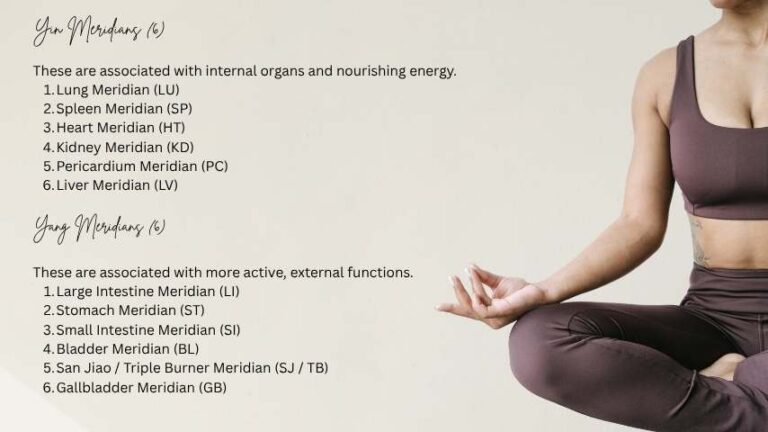
Organs in the internal system are joined in functional couples. They consist from two organs: one Yin organ ( Zang) and one Yang organ ( Fu).
- Zang Organs (Yin): Heart, Liver, Spleen, Lungs, and Kidneys. They are organs that are solid and found deep inside the body. They are designed to store vital substances comprising Qi blood essence ( Jing) and bodily fluids. They are able to change in a slow manner and are hefty.
- Fu Organs (Yang): Small Intestine, Gallbladder, Stomach, Large Intestine, and Urinary Bladder. They are all hollow, active organs that interact with the world outside. Their main function is to take in and transform, digest and expel water, food and waste. They move constantly through the process of filling and emptying.
The Pathology of Imbalance: The Root of Disease
According to TCM the concept of health is not a state of perfect health it is the body’s ability of maintaining an optimum, flexible and fluid equilibrium in Yin as well as Yang. If this balance is disturbed because of the stress of life, diet issues emotional trauma, the environment, illnesses can occur.
Pathological conditions are usually classified in four different types of imbalance:
1. Excess of Yang (Full-Heat)
This happens due to an external pathogen (like toxic or heat) infects the body or when emotional stress triggers hyper-metabolic conditions.
- Signs and symptoms: Acute high fever red face bloodshot eyes, extreme thirst for constipation, cold water, bloody urine, irritability and a fast, bouncing pulse.
- Therapy Principles: Clear the excess heat and calm your hyperactive Yang.
2. Excess of Yin (Full-Cold)
This occurs when dampness or cold enters the body of a weak person or when someone consumes a lot of cold, raw food items.
- The symptoms are: Acute abdominal pain that gets worse with cold, and eases when warm, pale skin cold feet and hands clear and abundant urine loose stools with watery contents and a tight, slow pulse.
- Therapy Principle Eliminating the chill and eliminate any excess Yin.
3. Deficiency of Yang (Empty-Cold)
The body’s natural Yang energy – its internal energy, metabolism engine and warmth — is exhausted due to age, chronic illness, or work overload.
- Signs and symptoms: Chronic cold intolerance fatigue, fatigue, weak legs and lower back and frequent nighttime urination. swelling and pale tongue and a strong and weak pulse. Because Yang is not functioning properly in its control, it is unable to regulate the normal Yin and creates the impression of a cold.
- Treating Principles: Tonify and warm the Yang energy (frequently by using moxibustion or herbal warming).
4. Deficiency of Yin (Empty-Heat)
When the body’s cooling replenishing fluids and moisture levels are depleted by constant stress, insufficient sleeping, or febrile conditions.
- The symptoms are: Night sweats, mild afternoon fever flushing of the cheeks (malar flush) as well as heat within the palms hands and the soles of the feet (known as “five-palm heat”), insomnia, dry throat, and a tinier, fast pulse. Because Yin is not strong enough in its ability to hold it down like normal Yang which allows it to move upwards and give the appearance of warmth.
- The Treatment Method: Nourish the Yin and generate body fluids and gently eliminate the heat that is not needed.
Diagnostic Methodologies in TCM
A TCM practitioner can identify imbalances by using four traditional diagnostic techniques ( Si Zhen):
- Examen (Wang): Observing the patient’s vitality, appearance posture, and most importantly checking the tongue (a tongue that is red and without coating signifies Yin deficiency. A thin, wet tongue suggests Yang insufficiency).
- Smelling and Listening (Wen): Assessing the tone of breath, voice, and body smells. A high-pitched voice suggests an excess of Yang and a soft, calm voice is the presence or lack of Qi and Yang.
- inquiry (Wen): Asking specific questions about the patient’s fever, chills sweating as well as sleep patterns, digestion and the emotional state.
- palpation (Qie): Feeling the radial pulses in three distinct locations and at different the depths of both wrists. The pulses are directly revealing the condition that is a combination of Yin and Yang inside the organs of the body.
Therapeutic Strategies: Restoring the Harmony
When the exact cause of the imbalance Yin-Yang is determined, the practitioner will employ different therapeutic techniques to help bring the body back into balance.
Acupuncture
Acupuncture is the practice of inserting needles that are ultra-fine at specific points on meridians of the body to control the circulation Qi (vital energy).
- To cure to treat a Yang deficiency the practitioner could stimulate points that increase the kidneys and Spleen.
- To address to treat a Yin deficiency the practitioner chooses specific points that produce fluids, cool blood, and bind the in the air. Yang energy back to the lower part of the body.
Herbal Medicine
Chinese herbal remedies are a complex set of prescriptions that are that are tailored to each individual’s particular expression of duality.
- Formulations such as Liu Wei Di Huang Wan (Six-Flavor Rehmannia Pill) are exceptionally cooling and hydrating, created specifically to support Kidney as well as Liver Yin deficiencies..
- Formulations such as Jin Kui Shen Qi Wan (Kidney Qi Pill) comprise warming herbs like cinnamon and aconite, which help to stimulate the energy of the pilot light in the body, which helps to address Yang deficiencies.
Moxibustion
Moxibustion therapy is based on burning dried Mugwort (a plant that is spongy, called Moxa) in close proximity or directly on certain Acupoints. The treatment delivers pure, penetrating infrared energy along with Yang energy directly to meridians. It is extremely effective in eliminating stubborn cold or to revive an exhausted and exhausted Yang state.
Conclusion: The Path of Moderation
The eternal principle that is a part of Yin as well as Yang is that peace, health and sustainability don’t come from extreme positions but from the graceful way of navigating the middle. In our contemporary, fast-paced life, the human experience has become a lot more Yang and characterized by continuous stimulation, excessive work with desire, bright screens high-pitched sounds, and constant consumption. Continuous hyper-activity eventually reduces your Yin and manifests as anxiety, burnout as well as chronic inflammatory illnesses and a profound feeling of exhaustion.
Through an eye to Yin and Yang In the lens of Yin and Yang, we get reminded of the crucial need to develop the Yin aspect of our lives. This is about valuing rest as much as work by avoiding a quick reaction, and recognizing that winter is as important to our lives as summer is. It doesn’t matter if it’s applied to the administration of a community or the design of a space, the treatment of an ailment that is chronic or the decisions that we make every day dancing with Yin and Yang is a beautiful way to navigate the world of chaos by balancing, strength and grace.
About the Author