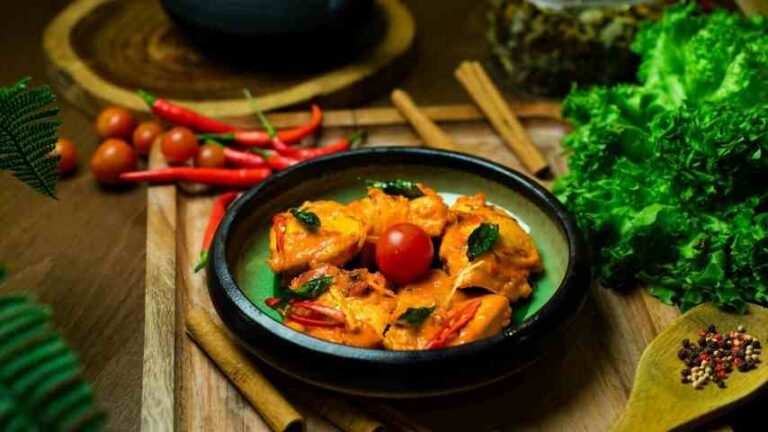
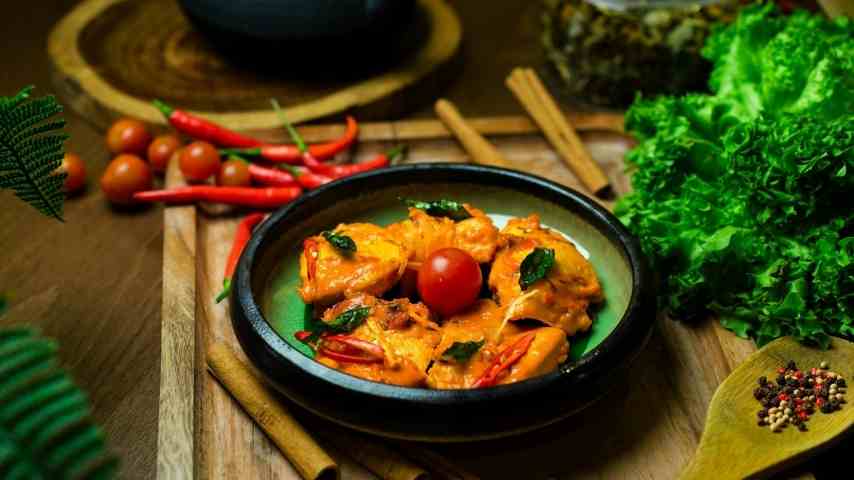
Cevurı is a traditional Turkish dish, especially in rural parts of Anatolia. People call it a filling, slow-cooked dish that has meat, vegetables, grains, and spices that smell good. The dish is made in the traditional way that Turkish families cook, by mixing simple ingredients to make rich and comforting flavors.
Cevurı often has a type of grain in it, like wheat, rice, or corn. Grains give the dish its base and energy. People also use vegetables like onions, tomatoes, peppers, and herbs a lot. These vegetables give food taste, color, and important nutrients.
Some kinds of Cevurı have meat in them, like chicken, lamb, or beef. Adding meat to a meal makes it taste better and adds more protein. But vegetarian versions are also common and can taste just as good.
Another important part of Cevurı is spices. To make food taste better, traditional cooks often use spices like cumin, black pepper, paprika, and garlic. These spices not only make the food taste better, but they also show how people in the area cook.
Where it came from and why it’s important to culture
Cevurı is a traditional dish that came from rural areas where people had to use what they had on hand. In the past, families made meals with basic foods like grains, vegetables, and meat that they grew or raised close by. Over time, people mixed these ingredients in new ways, creating unique recipes that eventually became traditional dishes.
People liked cevurı because it was both filling and good for you. It could be made for both everyday meals and special occasions. In a lot of homes, parents taught their kids the recipe so that the tradition would live on. Some families are still proud to make Cevurı the same way their ancestors did.
Traditional foods like Cevurı are also essential during cultural events. Making traditional foods during holidays or family get-togethers helps people feel like they are part of their culture. People can remember their childhood and family traditions by smelling and tasting foods they know.
Different ways to make Cevurı exist, but most recipes call for a mix of grains, vegetables, and sometimes meat. We chose these ingredients because they are healthy and easy to find.
Cevurı Preparation Method
People usually make Cevurı by following a traditional cooking method. The basic method stays the same, even though different families may do things differently.
First, workers clean the grains, and sometimes they soak them in water to make them softer. This step makes sure that the grains cook evenly. Next, I cut up the vegetables and get them ready to cook.
Most of the time, cooks use a large-capacity pot or pan to cook the dish. The cook starts by heating oil and frying garlic and onions until they smell good. After that, add vegetables like peppers and tomatoes, and cook them until they soften.
If the recipe calls for meat, you usually add it at this point and cook it until it softens. Then, you add spices to the dish to give it its unique taste.
Finally, add the grains and some water or broth. Then, cook the mixture slowly until the grains soak up the liquid and soften. The result is a warm, filling meal that tastes great and fills you up.
Cevurı Value of Nutrition
Cevurı is thought to be a healthy dish because it has the right amounts of carbs, proteins, vitamins, and minerals. The grains provide energy, while vegetables contribute essential vitamins and fiber. Adding meat gives you protein and other important nutrients like iron.
Traditional diets tend to emphasize whole foods over processed foods. Cevurı is a healthy choice when made with fresh ingredients and not too much oil and salt.
People also like Cevurı because it fills them up and gives them energy for a long time. People who lived in farming communities needed meals like this because they needed strength and stamina for hard work.
Kinds of Cevurı
Like many traditional foods, Cevurı can be made in different ways depending on where you live and what the cook likes. Some versions are thicker and look like stew, while others are lighter and more like rice dishes.
Some cooks add yogurt or other fermented dairy products to the dish to make it creamy and a little sour. In some places, people add fresh herbs like parsley or coriander on top before serving.
Some families like their Cevurı spicy, so they add chili peppers or other hot spices. Some people keep the flavor mild so that kids and older family members can enjoy it.
These changes show how traditional recipes change over time while still staying true to their roots.
Role in the family and society
Cevurı is no different; food often brings people together. Sometimes, family members help each other make this dish. They chop vegetables, stir the pot, or set the table.
Many families make a lot of Cevurı so that everyone can eat together. Eating together makes relationships stronger and gives people a sense of community.
Also, traditional foods can help younger people learn about their cultural background. Kids learn about their family’s history and values when they learn how to cook things like Cevurı.
Keeping Traditional Foods Safe
Fast food and processed meals are more common now than they used to be. These foods can be handy, but they sometimes take the place of traditional cooking methods. Because of this, people might forget some old-fashioned meals.
But a lot of people are now trying to keep traditional foods like Cevurı alive. These recipes stay alive thanks to cultural festivals, cooking classes, and family traditions. People can also share traditional recipes with more people through social media and cooking videos online.
Communities can protect an important part of their cultural identity by keeping traditional foods alive.
Cevurı is not just a meal. It stands for the history, culture, and customs of the people who make it. The dish shows how creative and resourceful traditional cooks were. It uses simple ingredients like grains, vegetables, spices, and sometimes meat.
Making Cevurı brings families together and helps them learn about their culture. Many people like it because it’s good for you and tastes good.
Cevurı and other traditional foods remind us that our heritage and community matter in a changing world. People can keep their cultural traditions alive for future generations by continuing to cook and share these foods.
FAQ
How to cook Cevurı
- People usually make cevuri by cooking it slowly, which lets the flavors of the ingredients get stronger.
- Making the base: Sauté onions and garlic in olive oil or animal fat until they smell good.
- Adding vegetables: Tomatoes, peppers, and other vegetables are added and cooked until they are soft.
- Cooking the meat: Add lamb or beef and brown it a little.
- Adding grains or legumes: You mix in chickpeas, lentils, or bulgur.
- Slow cooking: You add water or broth and cook the dish slowly until everything is soft.
- The result is a thick, tasty stew that is often served with rice, bread, or bulgur.
What is Nutritional Value in Cevurı
- Cevurı is a healthy meal because it has a good mix of nutrients.
- Protein comes from meat and beans.
- Carbs: From grains like bulgur or rice
- From vegetables and herbs, vitamins and minerals
- Olive oil is a source of healthy fats.
The dish is good for healthy diets like the Mediterranean diet because it uses natural ingredients and doesn’t need much processing.
About the Author