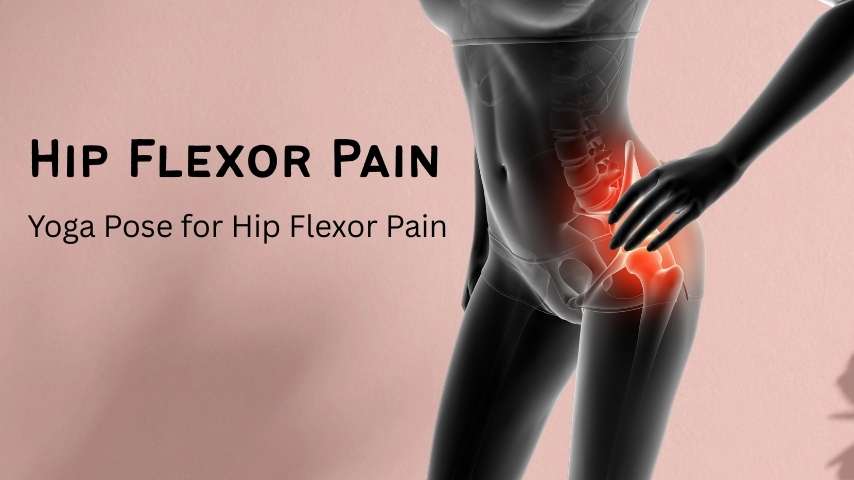
Hip flexor pain is a common muscle and joint issue. It affects office workers, dancers, and runners. It can also affect people who sit or stand for long periods.
The hip flexors are a group of muscles at the front of your hip. They help you lift your knee toward your chest. They also help you bend at the waist.
If stretching makes these muscles feel tight, inflammation affects them, or overuse strains them, they may cause discomfort. This can range from mild stiffness to sharp, painful, chronic discomfort.
What Are the Hip Flexor Pain?
The main hip flexors include:
- Iliopsoas (made out by the iliacus as well as the Psoas Major)
- Rectus Femoris (part of quadriceps)
- Sartorius
- Tensor fasciae latae (TFL)
- Pectineus
The iliopsoas is the largest and strong hip flexor. It is located between the pelvis and lower spine and is connected on the femur (thigh bone). Since this muscle connects the spinal column with the legs, injuries to the muscle may also cause lower back pain.
Common Causes of Hip Flexor Pain
1. Muscle Strain
A hip flexor injury happens when muscle fibers stretch too far or tear. It is most commonly seen in:
- Sprinting
- Sudden changes in direction
- Sports that are kicked (soccer and martial arts)
- Activities for jumping
Strains are classified:
- Grade I A mild overstretching
- Grade II Partially tear
- Grade III: Complete tear
2. Overuse Injury
A continuous hip flexion with no rest can lead to irritation and microtears. Long-distance athletes and cyclists frequently suffer from pain related to overuse.
3. Prolonged Sitting
The long hours of sitting for long periods can tense your hip flexors. As time passes this tightness can cause tension and discomfort while walking or standing.
4. Tendinitis
The condition of hip flexor tendinitis is inflammation of the tendon most often affecting the iliopsoas tendons. It can cause a deep discomfort on the hip’s front or the groin.
5. Hip Impingement
In some cases, hip flexor pain comes from structural issues like femoroacetabular impingement (FAI). In FAI, abnormal bone contact can cause irritation.
6. Poor Core Strength
The weak gluteal and abdominal muscles cause the hip to flex, which causes tension and discomfort.
Symptoms of Hip Flexor Pain
The severity of symptoms varies but typically consist of:
- The pain is located in area of the front hip in the groin area
- The area is tender when you press on the surface
- It hurts when you lift the knee.
- Stiffness following sitting
- A reduced range of motion
- The swelling or the bruises (in extreme strains)
- Limping is more common in instances
It is possible that pain will worsen when doing things like running up and down stairs or rising from a sitting in a seated.
Risk Factors
A variety of factors can increase the risk of pain in the hip flexors:
- Hip muscles that are tight
- Core
- Poor posture
- A lifestyle that is sedentary
- A proper warm-up prior to exercise is not enough.
- Rapid increase in training intensity
- Previous hip injuries
The athletes who play soccer, dancing, track and field as well as martial arts, are especially at risk.
How Hip Flexor Pain Is Diagnosed
A doctor usually diagnoses hip flexor pain by using:
- Medical review of history
- Physical exam
- Tests of range-of-motion
- Testing for strength
In more serious or unclear cases, imaging tests like MRI or ultrasound can help. They can show how severe the inflammation is or if there are muscle tears.
Treatment Options
1. Rest and Activity Modification
Stopping or reducing activities that cause pain will allow the muscle to recover. Severe to moderate strains may require resting for a long time.
2. Ice Therapy
Ice application for 15 to 20 minutes a day for the first 48-72 hours can help reduce swelling and inflammation.
3. Compression and Elevation
While they can be more difficult to fit to your hips, compression shorts may offer a little support.
4. Pain Relief Medications
The over-the counter anti-inflammatory drugs (such like ibuprofen) can help to reduce swelling and pain. Always follow the advice of a doctor.
5. Physical Therapy
Physical therapy is among the most efficient treatment options. Therapists can include:
- Exercises for stretching
- Exercises for strengthening
- Manual therapy
- Correction of the postural
- Stabilization of the core
6. Gentle Stretching
Common stretch types include:
- Kneeling hip flexor stretch
- Standing quad stretch
- Figure-four stretch
- Lunges
The stretching should be done with care without any bounce.
7. Strengthening Exercises
Strengthening support muscles helps reduce stress on the hips flexors. Effective exercises include:
- Glute bridges
- Clamshells
- Planks
- Dead bugs
- Side leg raises
8. Heat Therapy (Later Stage)
When inflammation has subsided the heat can relax muscles and increase blood flow.
9. Injections or Surgery (Rare)
In cases of injuries or structural defects, doctors could consider surgery or corticosteroid injections.
Recovery Time
The severity of recovery is a factor:
- Mild strain The duration is 1-3 weeks
- Moderate strain 4-8 weeks
- Severe tear: 8-12 weeks
Inactivity that is not completed in time could cause injury to become worse and delay healing.
Prevention Strategies
1. Warm Up Properly
Stretching dynamically prior to exercise helps help muscles prepare for exercise.
2. Stretch Regularly
Daily stretching keeps hip flexors flexible.
3. Strengthen the Glutes and Core
Strong, strong muscles support you and help reduce strain.
4. Improve Posture
Avoid excessive pelvic tilt that is caused by the tightness of hip flexors.
5. Pause from sitting
Stretch and stand up every 30 to 60 minutes.
6. Gradually Increase Activity
Beware of sudden spikes in workout intensity.
When to See a Doctor
Seek medical attention if:
- The pain is intense
- It is impossible to bear weight.
- A significant amount of swelling or bleeding is present.
- The pain lasts for more than two weeks
- Symptoms worsen despite rest
The persistent groin pain could suggest a hernia or a labral tear, rather than a simply a muscle strain.
Hip Flexor Pain in comparison to. Other Medical Conditions
A hip flexor pain may be misinterpreted as:
- Groin strain
- A tear in the hip labrum
- Hernia
- Lower back pain
- Osteoarthritis
An accurate diagnosis is crucial for the proper treatment.
The Connection Between Hip Flexors and Lower Back Pain
Since the iliopsoas connects to the lumbar spine, tight hip flexors can pull the pelvis forward.
This anterior pelvic tilt can increase strain on the lower back. This is a common problem for those who sit for long durations.
Special Considerations for Athletes
Athletes may require specific rehabilitation with a focus on:
- Strength of explosives
- Agility
- The mechanics of movement
- Progressional return-to play protocols
In the absence of a hip flexor issue, it can result in chronic problems.
Yoga Pose for Hip Flexor Pain
Yoga is a great option in relieving hip flexor pain as it softly lengthens muscles in the top of your hip. It also improves mobility of the hip joint and builds the muscles surrounding it for greater support. Here are a few most beneficial yoga poses to loosen tight hip flexors, as well as for rehabilitation from minor strains to the hip flexor.
1. Low Lunge (Anjaneyasana)
This is among the most effective exercises to stretch the hip flexors, specifically the iliopsoas, and the rectus the femoris.
How to use it:
- Begin by kneeling down.
- Move one foot forward and into the lunge.
- Keep your knees to the floor.
- Press your hips gently forward.
- Arms overhead should you be you are comfortable.
There should be a feeling of stretch on the front of your hip on the side of the back leg. Keep it for 20-40 seconds, then change sides.
2. Warrior I (Virabhadrasana I)
This pose helps strengthen and stretch the flexors while simultaneously stretching them.
How to get it:
- Move one foot forward and bend your front knee.
- Maintain your back leg straight and keep the heel planted.
- Bring your hips inwards.
- Reach your arms out overhead.
Keep it for 20-30 seconds then repeat the exercise on the opposite side.
3. Bridge Pose (Setu Bandha Sarvangasana)
Bridge pose is a great way to stretching and strengthening your glutes, which eases the strain on the hip flexors, which are tight.
How to use it:
- Lay on your back and rest your knees bent.
- Put your feet on the floor.
- Move your hips towards the ceiling.
- For 15-30 seconds, hold the button.
4. Pigeon Pose (Eka Pada Rajakapotasana – Gentle Version)
This posture releases hip tension and hip flexor pain felt.
How to get it:
- Move one knee towards your wrist.
- Continue to extend the other leg straight in front of you.
- Keep hips square.
- Lean forward slowly.
If it is too intense alter the position by putting an unrolled blanket placed on your hip.
5. Reclined Hero Pose (Supta Virasana – Modified)
This is a great stretch for the rectus fascia and other hip flexor muscles.
Place your feet on the floor (or on the block) Then slowly lean back on your forearms or hands. Do not do this if you are experiencing knee discomfort.
Tips for Practicing Safely
- Get warm before going into doing some deep stretching.
- Do not bounce or force the stretch.
- Stop when you feel a sharp pain.
- Keep each posture for regular breathing.
- Do it 3-4 times a week to get the best results.
If the pain in your hip flexor is intense, causes bruises or swelling or occurs after abrupt movements, seek advice from an expert in healthcare before starting yoga. When performed gently and regularly, these exercises can ease tension, improve posture and help maintain long-term hip health.
Long-Term Outlook
The majority of patients suffering from hip flexor discomfort resolve by conventional treatment. Regular the stretching exercises and strength training reduces the likelihood of recurrence.
Chronic tightness or repeated strains may signal more severe biomechanical imbalances and need a professional assessment.
Hip flexor pain on the side of the hip is common. It may hinder daily activities like running, walking, or climbing stairs. The hip flexors comprise muscles that are that are responsible in lifting your knee as well as bending the joint of your hip.
This muscle group includes the iliopsoas and sartorius muscles, and the rectus femoris. Since the hip flexors link the pelvis and lower spine to the upper thigh, they help stabilize the body and support movement.
Conclusion
The majority of hip flexor injuries occur because of abrupt movements, excessive use, and poor position. A hip flexor injury is a form of muscle strain that happens when you stretch the muscle fibers too much or tear them partially. In more extreme cases, swelling, bruising and tenderness could occur. The tight hip flexors that result from long sitting can cause pain and restrict mobility.
The treatment typically consists of stretching, rest as well as strengthening exercise, as well as occasionally physical therapy. A correct hip flexor stretch will aid in relieving tightness and restoring flexibility. The strengthening of the surrounding muscles helps support the hip joint, and lowers the possibility of further injury. Early treatment and continuous rehabilitation are crucial for a full recovery and lasting health of the hip joint.
The hip flexor strain is common and treatable. Overuse, prolonged sitting, or muscle imbalance can cause it. The most common symptoms are pain in the hip front as well as stiffness and difficulties getting the knee up.
Prompt treatment with rest and stretching, plus ice and strengthening exercises, can lead to good recovery. Taking preventive steps can greatly reduce your risk of getting injured again.
About the Author